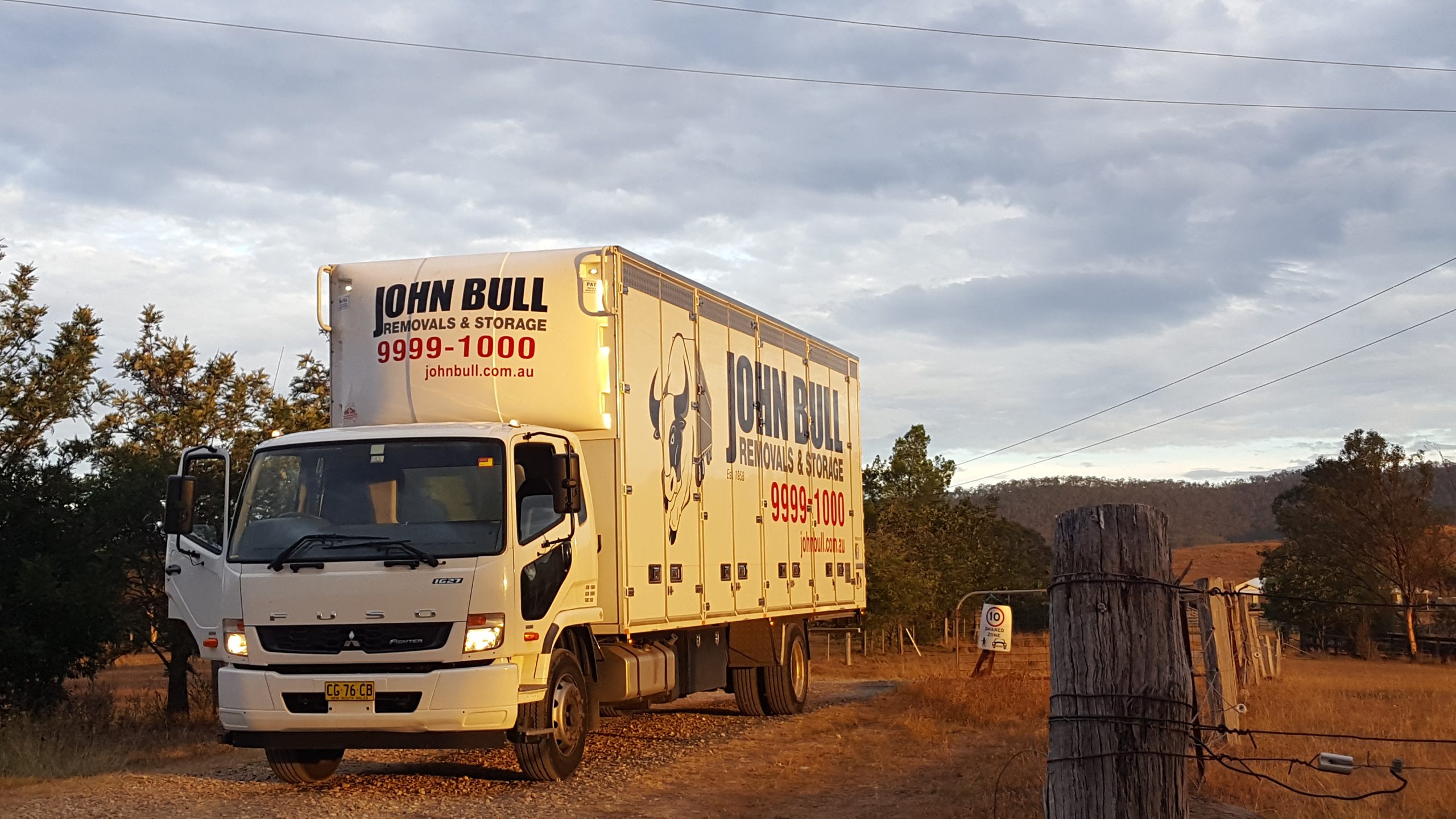
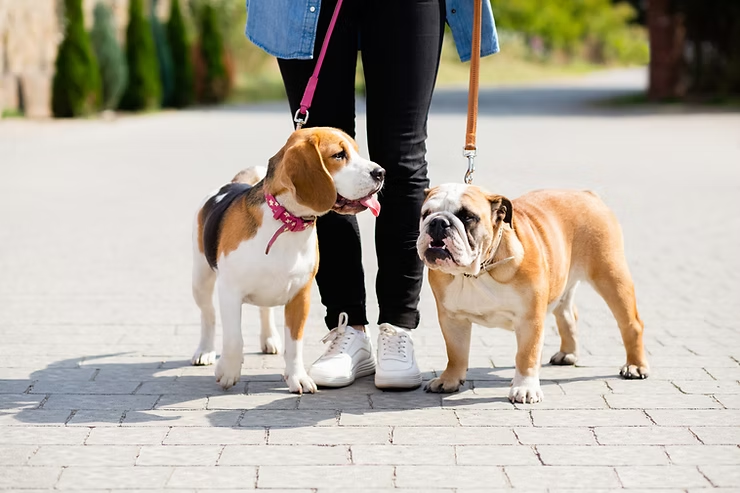
Moving house is a big change for everyone, but it can be especially confusing for our pets. Dogs, cats and other animals rely on familiar routines, smells and surroundings, so when boxes start appearing and furniture disappears, they quickly sense something is going on.
At John Bull Removals & Storage, we’ve helped thousands of families move over the years, and we know a smooth move means making sure your four-legged family members are comfortable too. With a little planning, you can help your pets adjust safely and happily to their new home.
Before Moving Day
Keep Their Routine as Normal as Possible
Pets thrive on routine. In the lead-up to moving day, try to keep feeding, walking and playtime as consistent as possible. Even with a house full of boxes, familiar routines help pets feel secure. If you know your pet is particularly sensitive to change, it can help to start packing gradually over a couple of weeks rather than all at once, so the sudden appearance of boxes doesn’t become a source of stress in itself.
Create a Safe Space
Packing can be noisy and stressful for animals. Set aside a quiet room where your pet can relax away from the activity, and include their bed, toys, food and water so they have everything they need to feel comfortable. Keeping the door closed (or using a baby gate for curious cats and dogs) can also prevent them from darting outside or getting underfoot while you’re carrying boxes and furniture.
Update Identification
Before the move, double-check that your pet’s identification tags and microchip details are up to date. If they become disoriented in a new neighbourhood, current details make it far easier for them to be returned safely. It’s also worth registering your pet’s new address with your local council ahead of time, particularly for dogs, as registration requirements can vary between local government areas.
Visit the Vet if Needed
If your pet is prone to anxiety, or if you’re moving a long distance, it’s worth having a chat with your vet beforehand. They may be able to recommend calming aids, suitable carriers, or simply offer reassurance about what to expect on the day.
On Moving Day
Keep Pets Away from the Action
Moving day is busy—doors opening, furniture being carried out, trucks coming and going. Where possible, arrange for a friend, neighbour or pet sitter to look after your pet for the day, or book them into a familiar daycare or boarding facility. This reduces stress and lowers the risk of them slipping out unnoticed through an open door or gate.
Pack a Pet Essentials Kit
Just like people, pets need their essentials close at hand. Pack a small bag with food, bowls, treats, favourite toys, medications and bedding, so everything is ready during the transition. It’s a good idea to keep this kit separate from the rest of your moving boxes and load it last, so it’s the first thing you can find when you arrive.
Travel Comfortably
When transporting pets, make sure they’re secure in a carrier or harness. For longer journeys, plan in stops so they can stretch their legs, go to the toilet and have some water. On hot days, avoid leaving pets in a parked car or vehicle, even for a short time, and try to keep the cabin at a comfortable temperature throughout the trip.
Settling Into Your New Home
Introduce the Space Slowly
When you arrive, let your pet explore gradually. Start with one room containing their bed, food and toys before giving them access to the rest of the house. For cats especially, keeping them confined to a single room for the first day or two can help them feel more secure before they’re ready to explore further.
Re-establish Routine Quickly
Getting back to familiar feeding and walking schedules as soon as possible helps pets adjust faster to their new environment. Familiar smells also go a long way—using the same bedding, blankets and toys from your old home can help your pet feel like this new place is already a little bit familiar.
Be Patient
Some pets settle in quickly, while others take more time. Extra attention, reassurance and playtime can help them feel at home sooner. If your pet seems unusually withdrawn, off their food, or anxious for more than a few days after the move, it’s worth checking in with your vet just to be safe.
Making Moving Day Easier for Everyone
A well-planned move benefits the whole family—pets included. Working with an experienced removalist means the logistics are handled efficiently, so you can focus on helping everyone, two-legged and four-legged, settle into the new home.
At John Bull Removals & Storage, our professional team takes care of the heavy lifting so you can concentrate on what matters most: starting your next chapter with ease.
If you’re planning a move in the coming months, contact our friendly team for a free quote and expert moving advice.